


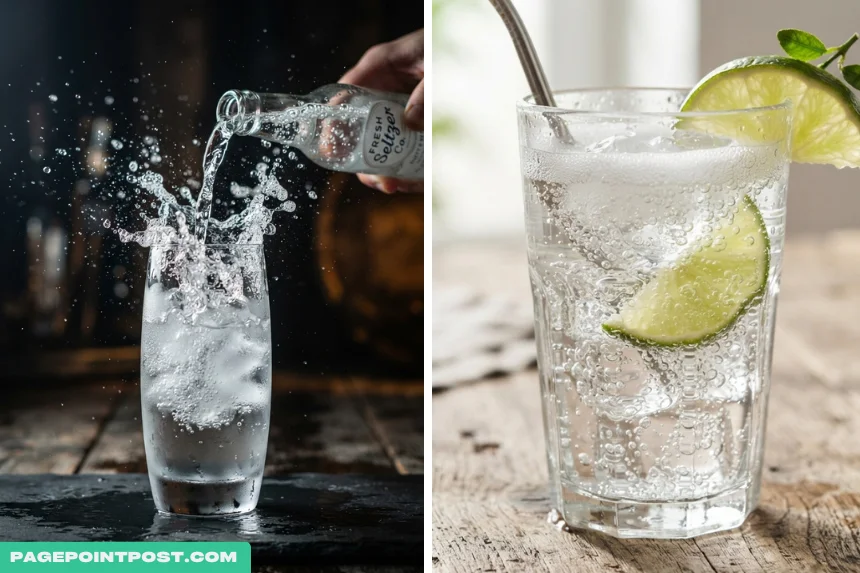
What is a seltzer? At its simplest, seltzer is water with carbon dioxide added under pressure, creating bubbles and a light, crisp bite. Plain seltzer typically contains no sugar, calories, alcohol, or added minerals, although flavoured products may contain sweeteners, caffeine, fruit extracts, or other ingredients.
The term is used most often in the United States. In other countries, a similar drink may be called sparkling water, soda water, carbonated water, or simply fizzy water.
Confusion often arises because the word also appears in “hard seltzer,” which is an alcoholic drink. The non-alcoholic and hard varieties are not the same. Below, you will learn how seltzer is made, what it tastes like, whether it is a healthy choice, and how it differs from club soda, mineral water, and tonic water.
What Exactly Is Seltzer?
Seltzer is plain water that has been artificially carbonated. Carbon dioxide gas is dissolved into the water under pressure, producing the bubbles that give it its familiar fizz.
In this context, “artificially carbonated” does not mean that the drink is artificial or heavily processed. It simply means that the carbonation has been added rather than occurring naturally in a spring.
Merriam-Webster defines seltzer as “artificially carbonated water.” The name comes from Selters, a German area historically known for its naturally effervescent mineral water. The dictionary records the English use of “seltzer” as far back as 1775.
Plain seltzer normally has a short ingredient list:
- Water
- Carbon dioxide
Flavoured varieties may also contain fruit essences, acids, sweeteners, juice, caffeine, electrolytes, or preservatives. Reading the ingredient and nutrition labels is the easiest way to determine what a particular product contains.
How Is Seltzer Made?
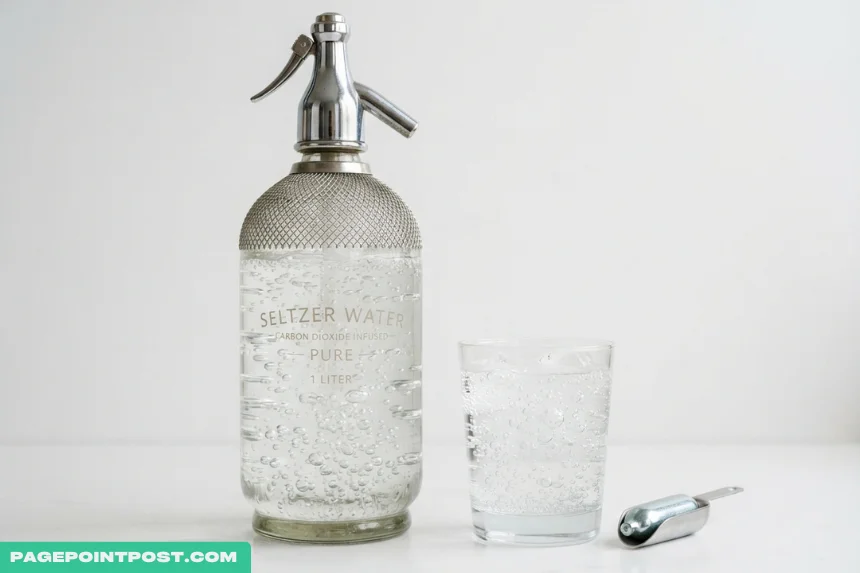
Commercial seltzer is made by forcing carbon dioxide into water while the water is under pressure. The container is then sealed so the dissolved gas remains trapped until it is opened.
When you open the bottle or can, the pressure falls. The carbon dioxide begins escaping from the water, forming visible bubbles.
The dissolved carbon dioxide also creates a small amount of carbonic acid. This gives seltzer its subtle sharpness or tang, even when it has no added flavour.
Home carbonation machines use the same basic process. They inject carbon dioxide from a pressurised cylinder into a reusable bottle of water. The intensity of the carbonation can vary considerably, which is why some seltzers produce a gentle sparkle while others have an aggressive fizz.
Does It Contain Alcohol?
Plain seltzer is not alcoholic. It is simply carbonated water, with optional flavouring.
A hard seltzer, sometimes called an alcoholic or spiked seltzer, contains alcohol. The word “hard” is the important distinction.
Hard seltzers commonly combine carbonated water, flavouring, and alcohol. The alcohol may be produced by fermenting sugar or malted barley, although some products are made with a distilled spirit instead. Many hard seltzers contain approximately 4% to 6% alcohol by volume, but the strength varies by product.
Always check the front and back of the container for:
- “Hard,” “spiked,” or “alcoholic” wording
- Alcohol by volume, usually shown as ABV
- Age restrictions or a government alcohol warning
A fruit-flavoured can may look similar to an ordinary sparkling water, so packaging alone is not a reliable way to tell them apart.
Seltzer vs. Sparkling Water, Club Soda and Tonic Water
Several fizzy drinks look almost identical in a glass, but their ingredients and flavours can be different.
| Drink | What it usually contains | Typical taste | Alcoholic? |
|---|---|---|---|
| Seltzer | Water and added carbon dioxide | Clean, neutral and slightly sharp | No |
| Sparkling water | A broad term for water with carbonation | Varies by source and brand | No |
| Sparkling mineral water | Water with naturally occurring minerals | Mineral, earthy or slightly salty | No |
| Club soda | Carbonated water with added mineral salts | Slightly salty or mineral-like | No |
| Tonic water | Carbonated water, quinine and usually sweetener | Bitter and sweet | No, unless mixed with alcohol |
| Hard seltzer | Carbonated water, flavouring and alcohol | Light, fruity and crisp | Yes |
Cleveland Clinic distinguishes seltzer as artificially carbonated water, club soda as carbonated water with added minerals, and tonic water as a carbonated drink containing quinine and usually sugar or syrup.
Is seltzer the same as sparkling water?
The terms are often used interchangeably in everyday conversation. Technically, seltzer usually refers to water that has been carbonated by adding carbon dioxide.
“Sparkling water” is a broader label. It may describe artificially carbonated water, naturally carbonated water, or mineral water with added or restored carbonation.
Because brands and countries use these terms differently, the ingredient list provides more reliable information than the product name.
Is seltzer the same as club soda?
Not exactly. Both contain water and added carbonation, but club soda usually includes added mineral salts such as sodium bicarbonate or potassium sulfate.
These minerals can give club soda a slightly salty taste. Seltzer tends to have a more neutral flavour, which makes it a useful base for flavoured drinks.
In many recipes, the two can be substituted for one another, although the mineral taste of club soda may be noticeable in delicate drinks.
Is seltzer the same as tonic water?
No. Tonic water contains quinine, which creates its distinctive bitterness, and many varieties also contain sugar or another sweetener.
Tonic therefore tastes very different from plain seltzer and may contain a meaningful number of calories. It is not a direct substitute when you want neutral carbonated water.
What does “soda water” mean?
The meaning depends on the country and brand. In some places, soda water is another name for seltzer. Elsewhere, it refers to a carbonated product with added minerals, making it closer to club soda.
Check the label when sodium content or flavour matters.
Taste and Mouthfeel
Unflavoured seltzer has a clean and mostly neutral taste. Carbonation creates a mild acidic bite and a tingling sensation on the tongue.
Several factors affect the drinking experience:
- Carbonation level: More carbon dioxide creates larger or more persistent bubbles and a sharper bite.
- Water source: The mineral content of the base water can subtly change the flavour.
- Serving temperature: Cold seltzer generally holds carbonation longer and tastes crisper.
- Added flavour: Citrus, berry and tropical fruit essences are common.
- Sweeteners and acids: These can make flavoured products taste closer to soft drinks than plain water.
Seltzer is not necessarily sweet. A product can smell like lemon, lime, peach, or berry while containing no sugar and having little sweetness.
Health and Hydration
Plain, unsweetened seltzer can be a low-calorie alternative to sugary soft drinks. The Centers for Disease Control and Prevention includes sparkling water and seltzer among low- or no-calorie beverage choices.
It is still important to check the label. Products marketed as sparkling or flavoured water may contain:
- Added sugar
- Artificial or high-intensity sweeteners
- Sodium
- Caffeine
- Fruit juice
- Citric or phosphoric acid
- Vitamins or electrolytes
These additions do not automatically make a drink unsuitable, but they mean that it may no longer have the same nutritional profile as plain seltzer.
Does seltzer hydrate you?
Yes. Plain seltzer is water and contributes to fluid intake. Cleveland Clinic notes that unsweetened sparkling water can hydrate you as effectively as still water.
Some people find the bubbles make water more enjoyable, helping them drink more throughout the day. Others feel full quickly or experience discomfort from the carbonation.
Is seltzer bad for your teeth?
Plain sparkling water is considerably less concerning for teeth than sugary soda, but carbonation makes it mildly acidic.
The American Dental Association reports that plain sparkling water consumed in moderation is generally associated with minimal erosion compared with soda and sports drinks. Flavoured products containing citric acid may be more acidic, especially when they are sipped continuously over long periods.
To limit acid exposure:
- Choose plain or lightly flavoured varieties without added acids.
- Drink seltzer with a meal rather than sipping it for hours.
- Rinse your mouth with still water afterward.
- Wait before brushing immediately after an acidic drink.
- Continue drinking fluoridated water where it is available.
Can seltzer cause bloating?
Carbonation can cause temporary burping, gas, fullness, or bloating in some people. Those who have reflux or a sensitive digestive system may find still water more comfortable.
This information is general and is not a substitute for personalised medical or dental advice.
How to Choose the Right Product
A quick label check can help you find a drink that matches your preferences.
1. Check whether it contains alcohol
Look for an ABV percentage and words such as “hard” or “spiked.” Never assume that a brightly coloured fruit drink is alcohol-free.
2. Read the ingredient list
For plain seltzer, the list may contain only carbonated water. Flavoured varieties can have a much longer list.
3. Review sugar and calorie content
Some products are unsweetened, while others resemble soft drinks. “Natural flavour” does not necessarily mean the drink contains sugar or real fruit juice.
4. Look at the sodium level
Most plain seltzers contain little sodium, but club soda, mineral water, electrolyte drinks, and certain flavoured products may contain more.
5. Check for caffeine
A growing number of sparkling drinks contain caffeine. This may not be obvious from the flavour or front of the can.
6. Consider the carbonation strength
Strongly carbonated seltzer works well for mixing and for people who enjoy an intense fizz. A lighter sparkle may be easier to drink with food.
Common Uses for Fizzy Water
Seltzer can be enjoyed on its own or used as a neutral mixer.
Popular uses include:
- Serving it cold with a slice of lemon, lime, cucumber, or orange
- Diluting fruit juice
- Adding bubbles to mocktails
- Lengthening cocktails without adding sweetness
- Replacing sugary soft drinks at meals
- Making wine spritzers
- Adding fizz to homemade syrups and cordials
Seltzer and club soda can often be interchanged in mixed drinks. Tonic water cannot usually be substituted without changing the drink’s sweetness and bitterness.
Frequently Asked Questions
Does the plain version contain calories?
Plain seltzer normally contains no meaningful calories because it consists of water and carbon dioxide. Flavoured, sweetened, alcoholic, or juice-based varieties may contain calories, so check the nutrition label.
Does seltzer contain sugar?
Unflavoured seltzer usually contains no sugar. Some flavoured products are also sugar-free, while others contain sugar, juice, syrup, or sweeteners.
Can you drink carbonated water every day?
Most healthy adults can include plain, unsweetened seltzer in their normal fluid intake. People who experience bloating, reflux, tooth sensitivity, or medically prescribed fluid restrictions may need individual guidance.
Is it healthier than regular soda?
Plain seltzer generally contains fewer calories and less sugar than regular sweetened soda. The comparison depends on the specific products, however. Sweetened or alcoholic seltzer does not have the same profile as plain carbonated water.
Is sparkling mineral water better than seltzer?
Neither is inherently better for everyone. Seltzer has a neutral flavour and usually contains few ingredients. Mineral water contains naturally occurring minerals that affect its taste and composition. Personal preference, sodium content, price, and intended use may guide the choice.
Is hard seltzer a type of beer?
Not necessarily. “Hard seltzer” describes a style of alcoholic drink rather than one universal production method. Depending on its ingredients and how it is produced, a hard seltzer may be regulated as a beer, malt beverage, wine, or spirit-based product. The U.S. Alcohol and Tobacco Tax and Trade Bureau notes that hard seltzer itself is not a formally defined regulatory term.
Conclusion
Seltzer is water made fizzy by adding carbon dioxide. Plain versions are normally alcohol-free, unsweetened, and low in calories, while flavoured products may contain additional ingredients.
The easiest way to avoid confusion is to read the label. Seltzer, club soda, tonic water, mineral water, and hard seltzer may all contain bubbles, but they do not necessarily contain the same ingredients or serve the same purpose.
Read more about melanie juneau