


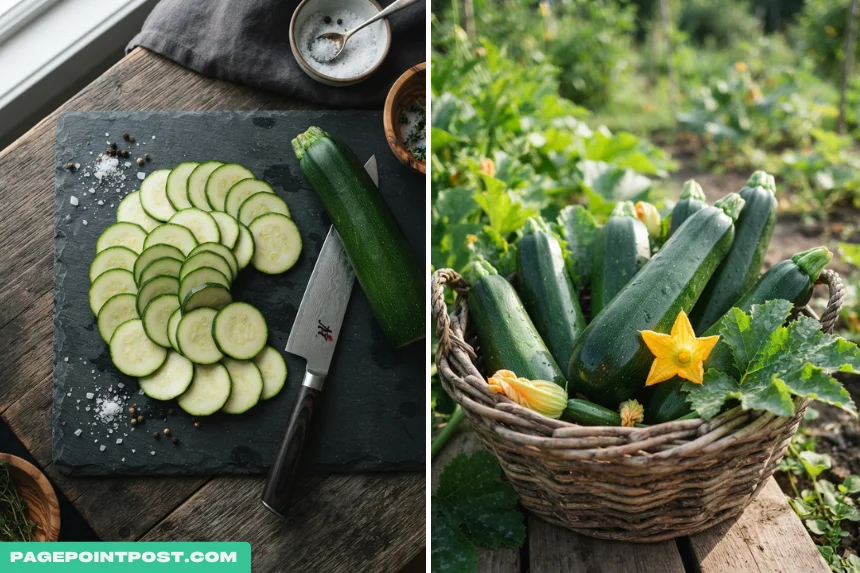
Zuchinni is a mild summer squash with thin, edible skin and soft flesh. Most varieties are long and green, although yellow, striped and round types also exist. British cooks often call the same vegetable a courgette. You can eat it raw or prepare it in many simple ways.
For example, you can roast, grill, sauté, steam, bake or air-fry this vegetable. Its gentle flavour works well in salads, soups, pasta dishes, fritters and baked recipes. However, the flesh contains a lot of water, so good heat control helps prevent a soft or soggy result.
This guide explains zuchinni nutrition, possible benefits, varieties, storage and cooking methods. It also shows you how to prevent watery results and what to do when a piece tastes unusually bitter.
What Is Zuchinni?
Zuchinni is a type of summer squash. Growers pick it while its skin, flesh and seeds remain tender. By contrast, winter squash stays on the plant longer and develops a hard outer rind.
From a botanical point of view, it is a fruit because it grows from a flower and contains seeds. In everyday cooking, however, most people treat it as a vegetable because they use it mainly in savoury meals.
Most standard English sources spell the vegetable “zucchini.” Nevertheless, this guide uses zuchinni as the main term throughout.
Zuchinni Nutrition
Zuchinni contains plenty of water and relatively few calories. According to the USDA seasonal produce guide, one medium raw piece weighing about 196 grams provides roughly the following nutrients.
| Nutrient | Approximate amount |
|---|---|
| Calories | 33 |
| Carbohydrates | 6 g |
| Dietary fibre | 2 g |
| Protein | 2 g |
| Fat | Less than 1 g |
| Vitamin C | 39 mg |
| Added sugar | 0 g |
These figures describe the plain, raw vegetable. However, oil, cheese, breadcrumbs, butter and sauces can raise the calories, salt and fat in the finished dish.
Potential Benefits of Zuchinni
Zuchinni can form part of a balanced diet. However, no single vegetable can prevent or cure a disease on its own.
It adds volume without many calories
A medium piece provides about 33 calories. Therefore, it can add volume to soups, salads, stir-fries and pasta dishes without adding many calories.
It provides some fibre
The flesh and skin provide a modest amount of fibre. In addition, leaving the peel on helps you retain more of it. Utah State University Extension notes that the tender peel can remain intact during preparation.
Fibre forms part of a balanced eating pattern and supports normal digestive function.
It supplies vitamin C
Raw summer squash provides vitamin C. However, storage and cooking can change the amount. Therefore, try to eat a varied mix of raw and cooked fruit and vegetables.
It adds variety to meals
Because zuchinni has a mild flavour, it pairs well with tomatoes, garlic, herbs, beans, eggs, grains, meat, fish and cheese.
For example, you can grate it into sauces, fold it into fritters or roast it with peppers and onions.
Health needs differ between individuals. Anyone who follows a medically prescribed diet should seek advice from a doctor or registered dietitian.
Common Zuchinni Varieties
Markets and gardens offer several shapes and colours. Although the varieties look different, you can use most of them in similar recipes.
Green zuchinni
This common type has dark or medium-green skin, pale flesh and a mild taste. It works well with almost every cooking method.
Golden variety
Golden types have yellow or orange skin but keep the long shape of green summer squash. They often have tender skin and cook quickly.
Striped variety
Striped types have green skin with pale lines or speckles. Their taste and texture closely match standard green varieties.
Round variety
Round types have a short, ball-like shape. Therefore, they work especially well for stuffing and baking.
Baby variety
Growers pick baby varieties while they remain small. As a result, they often have tender skin, tiny seeds and a firmer bite.
How to Choose Fresh Zuchinni
Choose zuchinni that feels firm and heavy for its size. Also, look for smooth, bright skin without mould, deep cuts or soft spots.
Small and medium pieces usually offer the best texture. A length of about 6 to 8 inches often gives you tender flesh and small seeds.
However, you can still use larger garden squash. Scoop out the mature seed core, then grate the firm flesh for bread, fritters, soups or sauces.
For more produce advice, read our guide to storing fresh vegetables.
How to Prepare Zuchinni
Good preparation improves both safety and texture. Fortunately, the process only takes a few minutes.
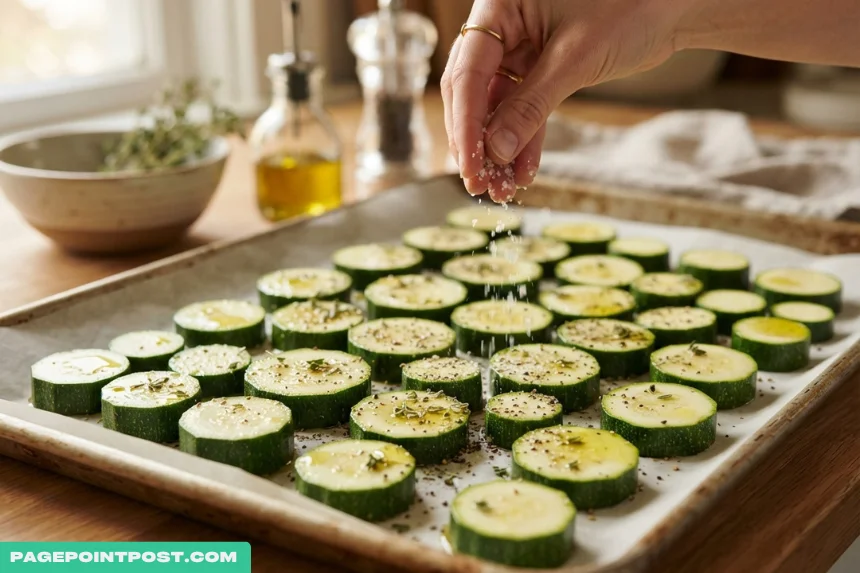
Wash it before cutting
First, rinse the whole vegetable under cool running water. Rub the surface gently with your hands.
Do not wash fresh produce with soap, bleach or household cleaner. The FDA’s fresh-produce safety guidance recommends washing produce thoroughly under running water before preparing or eating it.
Trim both ends
Next, cut off the stem and blossom ends. You can usually eat the rest, including the soft skin and small seeds.
Keep the peel on
The peel adds colour, texture and fibre. Therefore, you normally do not need to remove it.
Peel the vegetable only when a recipe, personal preference or medical diet requires it.
Remove large seeds when needed
Small and medium pieces have soft seeds, so you can leave them in place.
However, very large squash may develop a spongy centre and firm seeds. In that case, scoop out the middle before cooking.
How to Cook Zuchinni
Zuchinni cooks quickly because its flesh softens fast. The best method depends on the texture and flavour you want.
| Method | Preparation | Cooking guide |
|---|---|---|
| Sautéing | Cut into half-moons or cubes | Cook over medium-high heat for 5–8 minutes |
| Roasting | Cut into thick rounds or batons | Roast at 220°C/425°F for 15–25 minutes |
| Grilling | Slice lengthwise into planks | Grill for 3–5 minutes per side |
| Steaming | Cut into even rounds | Steam for 4–7 minutes |
| Baking | Halve and fill as boats | Bake at 190°C/375°F for 20–30 minutes |
| Air-frying | Cut into thick pieces | Cook at 200°C/400°F for 10–15 minutes |
| Raw | Shave into ribbons or thin rounds | Serve immediately |
These times provide a useful starting point. However, the final cooking time depends on the size of the pieces and the temperature of your pan, grill or oven.
Sautéing
First, heat the pan. Then add a small amount of oil and spread the pieces in one layer.
Cook until the edges turn golden. Also, avoid stirring too often because the pieces need contact with the hot pan to brown.
Roasting
Use thick pieces and a hot oven. In addition, leave some space between each piece.
Crowding traps steam, so the vegetable turns soft instead of developing golden edges.
Grilling
Cut the vegetable into long planks that will not fall through the grill. Next, brush them lightly with oil.
Grill each side until marks appear and the centre turns tender.
Steaming
Steaming creates a soft texture and a clean flavour. However, watch the cooking time closely because thin slices can become mushy within minutes.
Eating it raw
Raw zuchinni has a light crunch and mild taste. For example, you can shave it into ribbons, slice it into thin rounds or cut it into sticks for dips.
For more meal ideas, browse our easy vegetable side dishes and summer squash recipes.
How to Keep Zuchinni from Turning Watery
The flesh contains a lot of moisture. Therefore, poor heat control can leave the finished dish soft and watery.
Use high heat
A hot pan or oven helps the surface brown before too much water escapes. So, preheat the cooking surface before adding the pieces.
Do not crowd the pan
Spread the pieces in one layer. If they overlap, steam builds up and prevents browning.
When you need to cook a large amount, use two pans or cook in separate batches.
Cut thicker pieces
Thin slices soften very quickly. Instead, use thick rounds, batons or half-moons when you want golden edges and a firm centre.
Salt at the right time
For roasting, grilling or quick sautéing, add salt shortly before or during cooking.
However, for fritters and bread, salt the grated flesh first. Let it rest briefly, then squeeze out the water with a clean kitchen towel.
Avoid overcooking
Remove zuchinni from the heat while the centre still feels slightly firm. The pieces will continue to soften for a short time after cooking.
Easy Ways to Use Zuchinni
This squash works in both savoury and sweet recipes. For example, you can:
- Sauté it with garlic, olive oil and herbs.
- Roast it with peppers, onions and tomatoes.
- Grill thick strips and finish them with lemon.
- Add cubes to soups, stews and curries.
- Shave it into raw salad ribbons.
- Mix grated flesh into fritters.
- Stir it into pasta sauces and casseroles.
- Fill hollowed halves and bake them.
- Spiralise it into vegetable noodles.
- Add grated squash to bread, muffins or cakes.
If you use spiralised strands instead of pasta, cook them only briefly. Otherwise, they may release too much water and become limp.
How to Store Zuchinni
Keep whole, unwashed zuchinni in the refrigerator’s vegetable drawer. A loose or perforated bag can help protect it while allowing some air to move.
Utah State University Extension recommends keeping fresh summer squash dry and refrigerated. Under suitable home-storage conditions, it can retain good quality for about five to seven days.
In addition, avoid washing it before storage because extra moisture can encourage mould and spoilage. Wash it shortly before preparation instead.
Once you cut the vegetable, place the pieces in a covered container and use them soon.
Discard any piece that develops mould, a slimy surface or a strong rotten smell.
Can You Freeze Zuchinni?
Yes, you can freeze zuchinni, although freezing will soften its texture. Therefore, frozen pieces work best in soups, stews, sauces and baked meals rather than raw salads.
For sliced pieces, wash and cut the vegetable, blanch it briefly, cool it and drain it before freezing. Utah State University Extension recommends a three-minute blanch for half-inch slices.
For baking, grate the flesh and freeze it in measured portions. After thawing, follow your recipe’s instructions on whether to keep or drain the released liquid.
Why Can Zuchinni Taste Bitter?
A normal piece tastes mild or slightly sweet. However, an extremely bitter taste can signal a high level of natural compounds called cucurbitacins.
Do not swallow a piece that tastes sharply and unpleasantly bitter. Spit it out and discard the rest.
Cooking does not reliably destroy cucurbitacins. The French Agency for Food, Environmental and Occupational Health and Safety links bitter squash poisoning with stomach pain, nausea, vomiting and diarrhoea.
Contact a medical professional or local poison-information service when strong symptoms develop after eating bitter squash.
Frequently Asked Questions
Is zuchinni the same as zucchini?
Yes. Zuchinni usually refers to the vegetable that standard English sources spell “zucchini.” In British English, people usually call it courgette.
Can you eat zuchinni raw?
Yes. Wash it first, then cut it into thin rounds, sticks or ribbons. Smaller pieces usually have a firmer texture and softer seeds.
Do you need to peel it?
No. The skin is thin, tender and edible. In addition, leaving it on retains more colour, texture and fibre.
Is it the same as cucumber?
No. The two may look similar, but they have different textures and cooking uses.
Cucumber stays crisp and watery, while summer squash has softer flesh and often appears in cooked dishes.
Is yellow squash the same thing?
Not exactly. Both foods belong to the summer squash group. However, traditional yellow squash may have a straight or curved neck, while golden varieties retain a long, even shape.
Why does zuchinni become mushy?
Thin cuts, low heat, crowding and long cooking can all make it mushy. Therefore, cut thicker pieces, preheat the pan and stop cooking while the centre still feels slightly firm.
Can you eat the flowers?
Yes. Cooks often stuff, fry or add the blossoms to other dishes.
However, use flowers from a known edible squash plant. Also, wash them carefully and remove any insects before cooking.
Conclusion
Zuchinni is a mild summer squash that works in many raw and cooked dishes. It provides water, fibre and vitamin C while adding relatively few calories on its own.
Choose firm, smaller pieces for the best texture. Then keep the skin on, use high heat and avoid crowding the pan. Finally, discard any squash that tastes intensely bitter.
Discover more on our website about what is a seltzer