


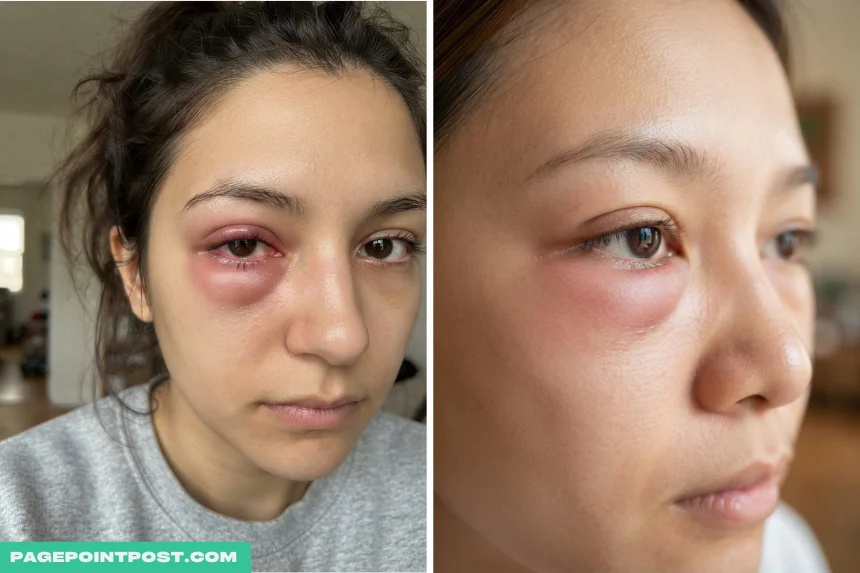
A swollen bottom eyelid can develop suddenly or build gradually over several days. Common causes include a stye, a blocked oil gland, blepharitis, conjunctivitis, allergies, irritation or a minor injury. In many cases, the swelling is uncomfortable but not dangerous and improves with simple care.
The symptoms around the swelling often provide useful clues. A painful lump near the eyelashes may be a stye, while a firmer and less painful bump may be a chalazion. Itching, crusting, discharge, fever, vision changes or pain when moving the eye can point to different conditions.
Because infections around the eye can occasionally become serious, do not rely on appearance alone. Seek prompt medical care when swelling is severe, spreading or accompanied by eye pain, reduced vision, fever or difficulty moving the eye.
This guide provides general health information and cannot diagnose the cause of an individual eye problem. An optometrist, ophthalmologist or doctor can examine persistent or concerning symptoms.
What Does a Swollen Bottom Eyelid Mean?
A swollen bottom eyelid means fluid or inflammation has accumulated in the skin, glands or other tissues of the lower eyelid. The swelling may affect:
- The eyelid margin where the eyelashes grow
- A single oil gland inside the eyelid
- The entire lower eyelid
- The skin beneath the eye
- The inner corner near the tear duct
- Surrounding tissues in the eye socket
The location alone does not confirm the cause. Pain, itching, redness, discharge, crusting, a visible lump and changes in eyesight are also important.
Swelling that is limited to a small eyelid lump is usually different from swelling that is hot, intensely red and spreading across the face. The second pattern needs faster medical assessment.
Common Causes of a Swollen Bottom Eyelid
| Possible cause | Typical features | Usual level of concern |
|---|---|---|
| Stye | Painful red lump near an eyelash, tenderness and local swelling | Often improves with home care |
| Chalazion | Firm eyelid lump that may become less painful over time | Usually non-urgent but may persist |
| Blepharitis | Itching, burning, crusting and swollen eyelid edges | Often recurring and manageable |
| Conjunctivitis | Red eye, watering, grittiness or sticky discharge | Usually mild, although some symptoms need assessment |
| Allergy or irritation | Itching, watering and puffy eyelids | Often improves after avoiding the trigger |
| Minor injury or insect bite | Local tenderness, bruising or swelling after a known event | Depends on the severity of the injury |
| Eyelid cellulitis | Red, hot, painful and spreading swelling, sometimes with fever | Requires prompt medical assessment |
| Tear-duct infection | Painful swelling near the inner corner, sometimes with discharge or fever | Requires medical treatment |
Stye
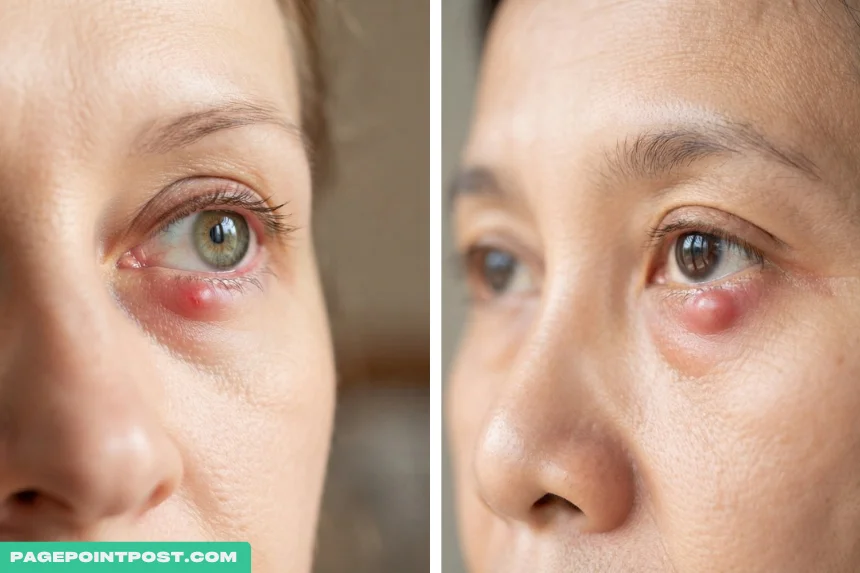
A stye, medically called a hordeolum, is a painful red bump caused by inflammation or infection in an eyelid gland or eyelash follicle. It often resembles a small spot near the lash line.
A stye may cause:
- A tender lump on the lower eyelid
- Local redness and swelling
- Watering
- A gritty sensation
- Sensitivity when touching the eyelid
The American Academy of Ophthalmology’s stye and chalazion guide explains that warm compresses can help a clogged or inflamed gland open and drain. A stye should not be squeezed, punctured or popped because doing so may spread infection or injure the eyelid.
Chalazion
A chalazion is a lump caused by a blocked meibomian gland, one of the small oil-producing glands in the eyelid. It can begin with tenderness and swelling but commonly becomes firmer and less painful as the initial inflammation settles.
A chalazion may be more likely when:
- The lump feels deeper inside the eyelid
- There is no obvious white or yellow head
- Pain is mild or has decreased
- The bump remains after the surrounding swelling improves
- Similar lumps have occurred before
Most chalazia do not need emergency treatment. However, a large lump can press against the eye and affect vision, while a persistent or repeatedly returning lump should be examined by an eye-care professional.
Blepharitis
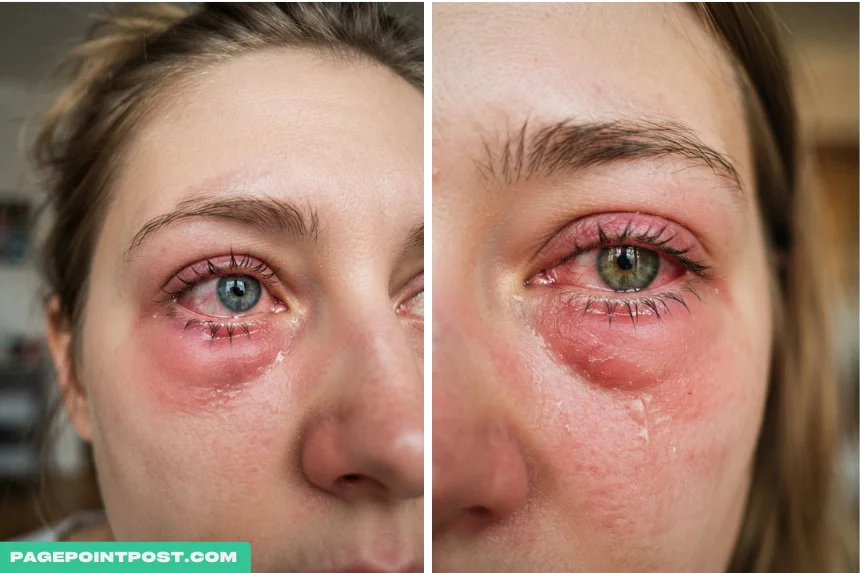
Blepharitis is inflammation along the edges of the eyelids. It may affect the upper eyelids, bottom eyelids or both. The condition is often linked to clogged oil glands, skin conditions or irritation around the eyelashes.
Possible symptoms include:
- Red or swollen eyelid margins
- Itching or burning
- Crusts or flakes around the eyelashes
- Eyelids sticking together after sleep
- Dry, watery or gritty eyes
- Symptoms that improve and then return
The National Eye Institute’s blepharitis guidance identifies regular eyelid cleaning and warm compresses as central parts of symptom management. Blepharitis is usually not contagious, but it can become a long-term condition that requires consistent eyelid care.
Conjunctivitis
Conjunctivitis, commonly called pink eye, is inflammation of the tissue covering the white of the eye and the inner surface of the eyelids. It can result from a virus, bacteria, allergy or another irritant.
Along with a swollen lower eyelid, conjunctivitis may cause:
- A pink or red eye
- A gritty or burning feeling
- Watery eyes
- White, yellow or green discharge
- Crusting around the eyelashes
- Eyelids sticking together in the morning
- Itching, particularly with allergic conjunctivitis
Some infectious forms spread easily. Wash your hands regularly, avoid touching the eyes and do not share towels, pillowcases, cosmetics or eye-care products. Mild cases may improve without prescription treatment, but pain, light sensitivity, intense redness or blurred vision require medical assessment.
Allergies and Irritation
Allergies can make the eyelids puffy, itchy and watery. Both eyes are often affected, although one eyelid may appear more swollen than the other.
Possible triggers include:
- Pollen
- Dust
- Pet dander
- Cosmetics
- Facial cleansers
- Eye drops
- Contact-lens solution
- Eyelash adhesives
- Smoke or chemical fumes
A cool compress may soothe allergy-related swelling. Stop using any new cosmetic or eye product that may have triggered the reaction. Do not apply skin creams, essential oils or antihistamine creams close to the eye unless a healthcare professional confirms that the product is safe for eyelid use.
Get urgent help for swelling accompanied by breathing difficulty, throat tightness, widespread hives, dizziness or swelling of the lips or tongue, as these can be signs of a serious allergic reaction.
Injury or Insect Bite
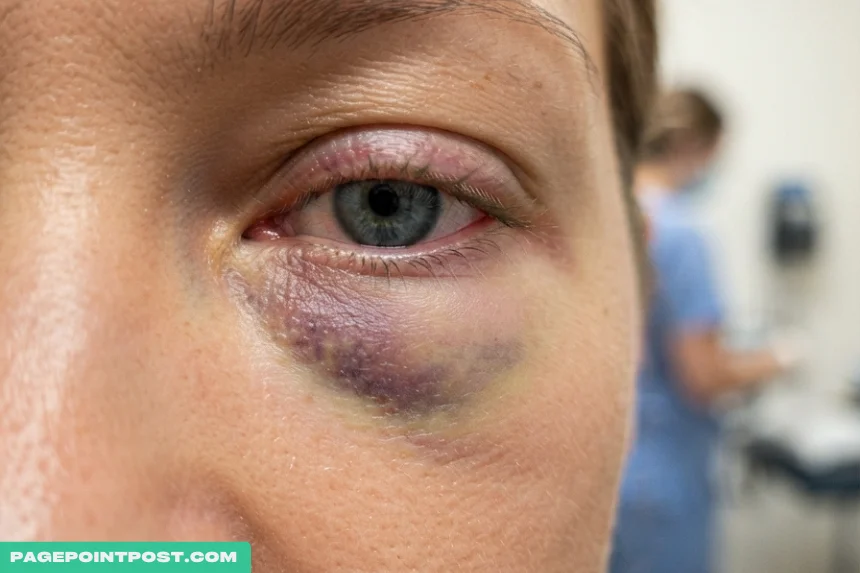
A minor bump, scratch or insect bite can produce swelling beneath one eye. A cool compress wrapped in clean cloth may help with mild swelling after a minor injury.
Seek prompt assessment after an eye or facial injury when you have:
- Ongoing eye pain
- Double or reduced vision
- Blood inside the eye
- A cut through the eyelid
- Numbness around the cheek or nose
- Difficulty moving the eye
- An abnormal eye position
- Nausea or vomiting after the injury
Eye injuries can be more serious than they appear from the outside. Do not press directly on an injured eyeball or try to remove an object embedded in the eye.
Eyelid Cellulitis
Cellulitis is a bacterial infection of the skin and tissues around the eye. Preseptal cellulitis affects tissues in front of the eyelid barrier, while orbital cellulitis involves deeper tissues in the eye socket.
Both can cause red and puffy eyelids. Warning signs of deeper orbital involvement may include:
- Pain when moving the eye
- Limited eye movement
- Reduced or altered vision
- Double vision
- One eye appearing to bulge
- Fever or feeling significantly unwell
- Rapidly worsening swelling
The American Association for Pediatric Ophthalmology and Strabismus explanation of eyelid cellulitis notes that orbital cellulitis can affect eye movement and vision and may cause serious complications. These symptoms need urgent medical assessment rather than home treatment.
Although cellulitis is especially important in children, adults can also develop infections around the eye.
Tear-Duct Infection
Painful swelling at the inner corner of the lower eyelid, close to the nose, may involve the tear-drainage system. A tear-duct infection may also cause redness, tenderness, discharge, fever or fatigue.
This differs from a typical stye, which usually develops closer to an eyelash or elsewhere along the lid margin. A painful red swelling near the tear duct should be assessed promptly because bacterial infections may require antibiotics.
Why Is Only One Bottom Eyelid Swollen?
Swelling in only one eye is commonly associated with a local problem, such as:
- A stye
- A chalazion
- An insect bite
- A minor injury
- A blocked or infected tear duct
- Local irritation
- Cellulitis
Swelling in both eyes is more commonly associated with allergies, blepharitis or general under-eye puffiness, although these conditions do not follow a strict rule.
The accompanying symptoms matter more than the number of affected eyes. A single swollen eyelid that is hot, severely painful or rapidly worsening needs more attention than mild, painless puffiness affecting both sides.
What Can You Do at Home?
Home care is reasonable only when symptoms are mild and there are no warning signs involving vision, eye movement, fever or severe pain.
Use a Warm Compress for an Eyelid Lump
A warm compress may help when the swelling appears to come from a stye, chalazion or blocked eyelid gland.
- Wash your hands.
- Wet a clean washcloth with comfortably warm water.
- Wring out the excess water.
- Place it over the closed eyelid for 5 to 10 minutes.
- Re-warm the cloth as it cools.
- Repeat three or four times during the day.
The cloth should feel warm rather than painfully hot. Use a clean cloth each time, and do not share it with anyone else.
Use a Cool Compress for Itching or Puffiness
A cool, clean washcloth may be more comfortable when swelling follows an allergy, mild irritation or uncomplicated conjunctivitis. Place it gently over the closed eye for several minutes without pressing on the eyeball.
Avoid Contact Lenses and Eye Makeup
Stop using contact lenses and eye makeup while the eyelid is inflamed, painful or producing discharge. Cosmetics and lenses can worsen irritation and may hold bacteria.
Do not restart contact-lens use until the eye feels normal and any infection has been ruled out or treated. Replace potentially contaminated eye makeup rather than applying it again.
Keep Your Hands Away From the Eye
Avoid rubbing, squeezing or repeatedly checking the swollen area. Wash your hands before and after touching the face, applying a compress or cleaning discharge.
Clean Discharge Carefully
Use clean water and a fresh cotton pad or clean cloth to remove crusts gently. Wipe away from the eye and use a separate pad for each eye.
Do not share towels, pillowcases, makeup or eye drops when conjunctivitis or another contagious condition may be present.
What Should You Avoid?
Do not:
- Squeeze or puncture an eyelid lump
- Put toothpaste, essential oils or other home remedies on the eyelid
- Place very hot objects against the eye
- Use someone else’s prescription eye drops
- Use leftover antibiotic or steroid drops without medical advice
- Wear contact lenses over a red, painful or swollen eye
- Ignore changes in vision
- Delay care when swelling is rapidly worsening
Steroid eye drops can make certain infections worse and should only be used after an appropriate eye examination.
When Should You Seek Urgent Medical Care?
Arrange urgent same-day medical or eye care when a swollen bottom eyelid is accompanied by:
- Blurred, reduced or double vision
- Pain inside the eye rather than only in the eyelid
- Pain or difficulty when moving the eye
- A bulging or displaced eye
- Severe redness or rapidly spreading swelling
- A hot and very tender eyelid
- Fever, chills or feeling generally unwell
- Significant sensitivity to light
- Inability to open or keep the eye open
- A severe headache, nausea or vomiting
- Blisters around the eyelid
- A chemical exposure or penetrating injury
- Symptoms developing after eye surgery
- A weakened immune system
- Worsening symptoms in a young child
A red or swollen eye with blurry vision or significant pain should be assessed by an eye-care professional.
Call your local emergency number immediately if eyelid swelling occurs with breathing difficulty, faintness or swelling of the mouth, tongue or throat.
When Should You Book a Non-Urgent Appointment?
Book an appointment with an optometrist, ophthalmologist or doctor when:
- The swelling does not begin improving after several days
- A lump lasts for several weeks
- The same lump repeatedly returns
- Blepharitis symptoms keep coming back
- Discharge is persistent or increasing
- You are unsure whether the problem is a stye, allergy or infection
- The swelling interferes with wearing glasses or opening the eye
- A lump changes the shape of the eyelid
- You notice eyelash loss, bleeding or an unusual skin change
- You have diabetes or another condition that increases infection risk
A persistent or recurring eyelid lump occasionally needs closer examination to rule out another eyelid condition.
Frequently Asked Questions
How long does a swollen bottom eyelid last?
The duration depends on the cause. Mild irritation or allergy-related swelling may improve after the trigger is removed. A stye may settle over several days, while a chalazion can remain for several weeks. Persistent, worsening or recurring swelling should be examined.
Is a warm or cold compress better?
Use a warm compress for a suspected stye, chalazion or blocked eyelid gland. A cool compress is generally more soothing for allergy-related itching, mild irritation or uncomplicated puffiness.
Can lack of sleep cause a swollen lower eyelid?
Poor sleep can contribute to general puffiness beneath both eyes, especially after waking. However, it is less likely to explain a painful red lump, sticky discharge, severe one-sided swelling or fever.
Can stress cause a swollen eyelid?
Stress does not usually cause a swollen eyelid directly. It may contribute indirectly by disrupting sleep, worsening skin conditions or increasing eye rubbing. A clearly swollen eyelid still requires consideration of local causes such as a blocked gland, irritation or infection.
Should I pop a stye on my lower eyelid?
No. Squeezing or puncturing a stye can spread infection and damage delicate eyelid tissue. Use a clean warm compress and allow it to drain naturally.
Are antibiotics needed for a swollen eyelid?
Not always. Allergies, viral conjunctivitis, blepharitis and blocked glands do not necessarily require antibiotics. Antibiotics are used when a healthcare professional identifies or strongly suspects a bacterial infection.
Can a swollen bottom eyelid be serious?
Yes, although most cases are minor. Swelling becomes more concerning when it is rapidly worsening, hot, intensely painful or accompanied by fever, vision changes, painful eye movement or a bulging eye.
Conclusion
A swollen bottom eyelid is commonly caused by a stye, chalazion, blepharitis, conjunctivitis, allergy or local irritation. Mild cases without warning signs may respond to a clean warm or cool compress, good hand hygiene and a temporary break from contact lenses and eye makeup.
Do not attempt to pop an eyelid lump or self-treat severe swelling with leftover medication. Seek urgent care for vision changes, eye pain, fever, painful eye movement, a bulging eye or rapidly spreading redness.
Discover more on our website about zuchinni